
History-Periods
Past eras

From pre-history to today
Choose your period

Pre history - Present
explore the different eras
Past eras
Choose your period
explore the different eras
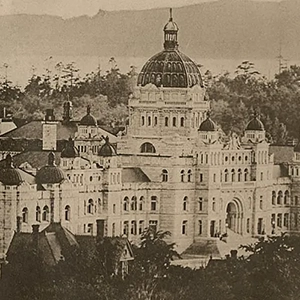
During World War II, British Columbia was governed by a coalition provincial government, which was formed by the Liberal and Conservative parties. This government was formed to provide a united front during the war effort and to ensure that the province would be able to effectively contribute to the war effort. The coalition government was led by Premier John Hart and was in power from 1941 to 1945.
During World War II, the common policies of the Liberal and Conservative parties in British Columbia's coalition government focused on supporting the war effort and maintaining stability at home. Some of the key policies included:
Mobilizing the province's resources for the war effort, including manpower, industry, and agriculture.
Ensuring the safety and security of the province, including implementing measures to deal with potential threats from enemy forces.
Supporting the Canadian military and providing assistance to families of soldiers.
Maintaining essential services and maintaining public order.
Promoting patriotism and supporting the war effort through public campaigns and initiatives.
These policies were designed to ensure that the province was able to effectively contribute to the war effort, while also ensuring the safety and well-being of its citizens.
in addition to the common war-time policies, the coalition government in British Columbia during World War II also implemented a range of other policies aimed at supporting the province's citizens and boosting the economy. Some of these policies included:
Supporting the development of new industries, such as shipbuilding, to help drive economic growth and create jobs.
Investing in infrastructure and public works projects, such as highways, to stimulate the economy and create jobs.
Implementing price controls and rationing programs to help ensure that essential goods were available to everyone and to prevent inflation.
Providing support and assistance to farmers, including subsidies for fertilizer and seed, to help maintain food security.
Encouraging the settlement of new immigrants, including war refugees, to help boost population growth and provide a source of labor for the province's growing industries.
These policies helped to support the province's citizens during the war and helped to ensure that the province was able to effectively contribute to the war effort.
The coalition government in British Columbia during World War II lasted from 1941 to 1945. After the end of the war, the coalition was dissolved and the Liberal and Conservative parties returned to their usual state of opposition, with the next provincial election being held in 1945.
Timeline
It is difficult to determine the level of support that the British Columbia coalition government received from the general public during World War II, as there is limited information available on public opinion during that time. However, it is known that the coalition government was formed with the intention of providing a united front during the war effort and that the government's policies were focused on supporting the war effort and maintaining stability at home.
Given the importance of the war effort, it is likely that the government enjoyed widespread support from the public during this time. After the war, the coalition government was dissolved and the Liberal and Conservative parties returned to their usual state of opposition, with the next provincial election being held in 1945.
British Columbiahistory.ca is a visitor supported web site. If you would like to submit an article or opinion, please visit our blog at www.blog.British Columbiahistory.ca.
Reference: Article by (Staff Historian), 2023
Tel: 1 604 833-9488
Email: info@canadahistorysociety.ca

All content and images are protected by copyright to Access History