
History-Periods
Past eras

From pre-history to today
Choose your period

Pre history - Present
explore the different eras
Past eras
Choose your period
explore the different eras
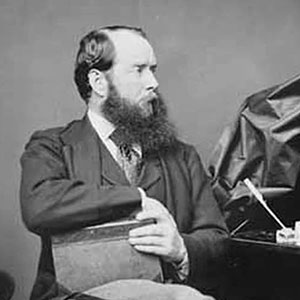
British Columbia joined Confederation as a province of Canada on July 20, 1871. Before that, it was a colony of the British Empire. The decision to join Confederation was made by the colonial government of British Columbia, and it was approved by the British government. At the time, British Columbia was experiencing a severe economic downturn and was seeking the support of the more populous and prosperous provinces of Canada. Joining Confederation allowed British Columbia to access the resources and markets of the rest of the country.
British Columbia Confederation refers to the process by which the colony of British Columbia joined the Dominion of Canada as a province on July 20, 1871. This event marked the culmination of a long and complex process of negotiations and political maneuvering between the colonial government of British Columbia, the government of Canada, and the British government.
Prior to Confederation, British Columbia was a British colony with a largely independent government. However, it faced several challenges, including economic difficulties and a lack of military protection in the face of potential threats from the United States. As a result, the colonial government began to consider joining Confederation as a way to address these issues.
Negotiations between the colonial government and the government of Canada began in the late 1860s and were finalized in 1871. The terms of Confederation were agreed upon in the British Columbia Terms of Union, which were signed by the colonial government and the government of Canada on July 20, 1871.
On July 20, 1871, British Columbia officially joined the Dominion of Canada as its sixth province. The event was marked by celebrations and ceremonies in Victoria, the capital of British Columbia, and across the province.
The day began with a 100-gun salute and a parade through the streets of Victoria, the capital city of British Columbia.
A formal ceremony was held in the Legislative Council Chamber, where British Columbia's governor, Sir Joseph William Trutch, signed the proclamation that officially made British Columbia a province of Canada.
A reception was held in the evening at the government house, where the governor hosted a dinner for invited guests, including representatives from the Canadian government, the British Royal Navy, and the local business community.
A regatta was held in Victoria harbor, which included races and other festivities to celebrate the occasion.
In Vancouver, there were similar celebrations, including a parade and a reception at the city hall.
Across the province, many communities held their own festivities and events to mark the occasion, including dances, picnics, and other social gatherings.
Overall, the ceremonies and activities that took place when British Columbia joined Canada were intended to celebrate the province's entry into the larger Canadian federation and to signal a new era of cooperation and unity between British Columbia and the rest of the country.
Timeline
The impact of British Columbia joining Canada in 1871 was significant for the people of the province. There were many changes that took place following the union, some of which were positive and others were negative.
One positive outcome of joining Canada was an increase in trade and economic opportunities. British Columbia gained access to the larger Canadian market, which helped to boost the province's economy. The building of the Canadian Pacific Railway, which was completed in 1885, also helped to connect the province with the rest of Canada and allowed for increased trade and commerce.
However, there were also negative consequences that resulted from British Columbia joining Canada. Some people felt that the province was losing its independence and identity by becoming part of a larger federation. There was also resentment among some residents that the federal government did not adequately represent the interests of the province, particularly in the early years following the union.
For Indigenous peoples in BC, the impact of joining Canada was particularly significant, as it marked the beginning of the treaty-making process and the gradual erosion of their land and resources.
Overall, the impact of British Columbia joining Canada in 1871 was complex and varied, and had both positive and negative consequences for the people of the province.
British Columbiahistory.ca is a visitor supported web site. If you would like to submit an article or opinion, please visit our blog at www.blog.British Columbiahistory.ca.
Reference: Article by (Staff Historian), 2023
Tel: 1 604 833-9488
Email: info@canadahistorysociety.ca

All content and images are protected by copyright to Access History