History-Art
Images of our Province

Art in British Colmbia
Landscaapes and portraits
_Odds_and_Ends.jpg)
BC Art
Another view of BC
Images of our Province
Landscaapes and portraits
Another view of BC
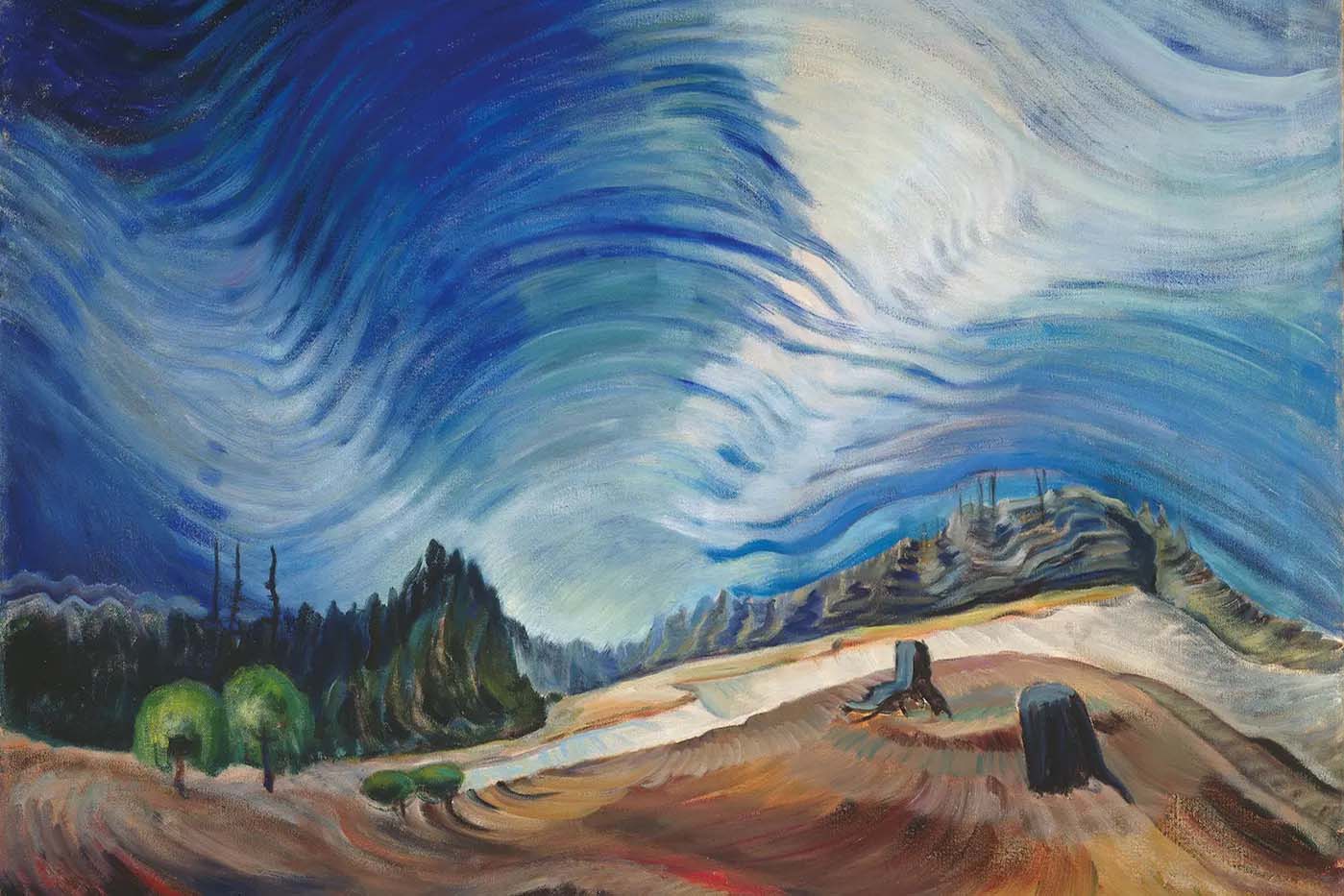
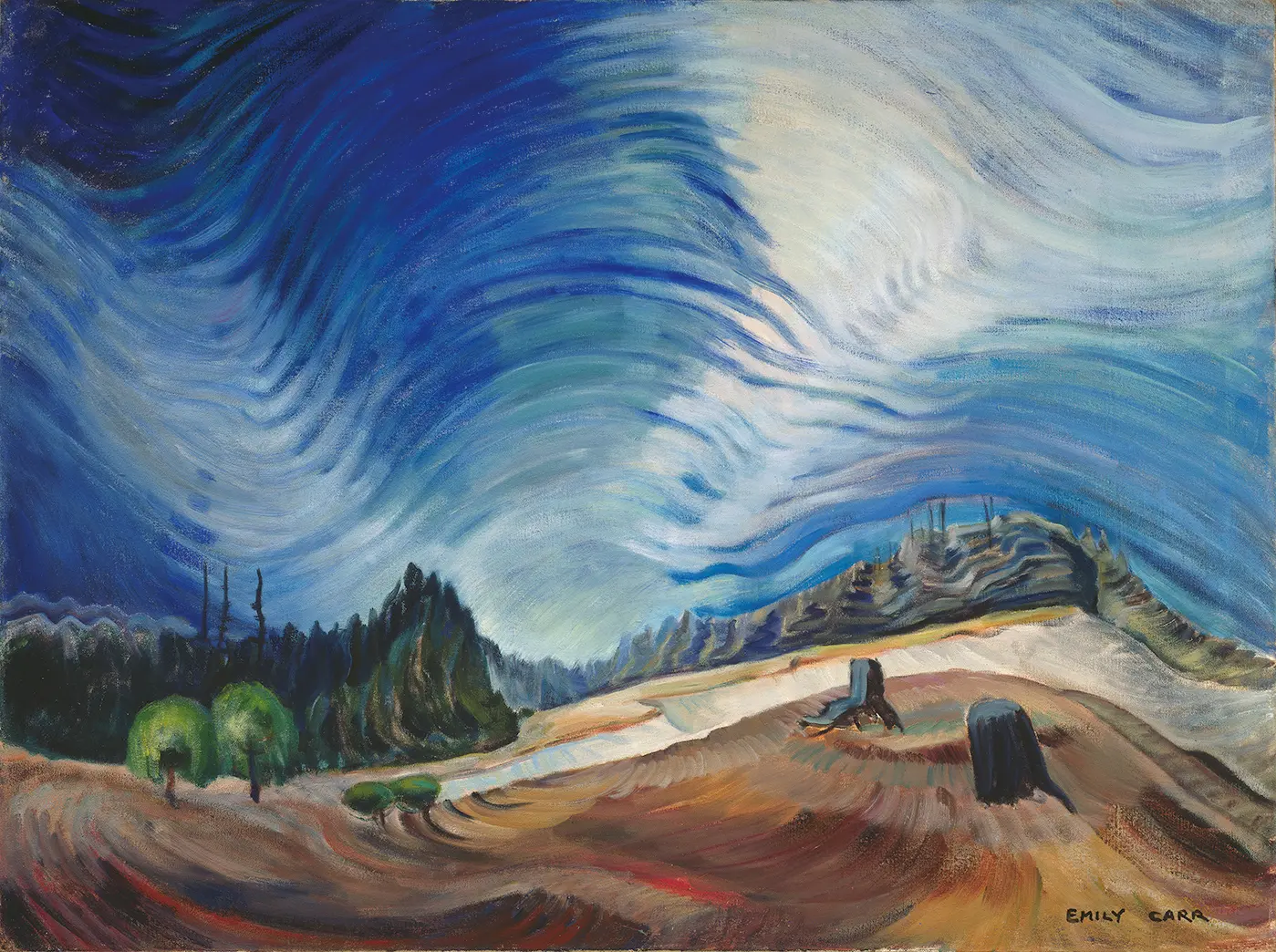
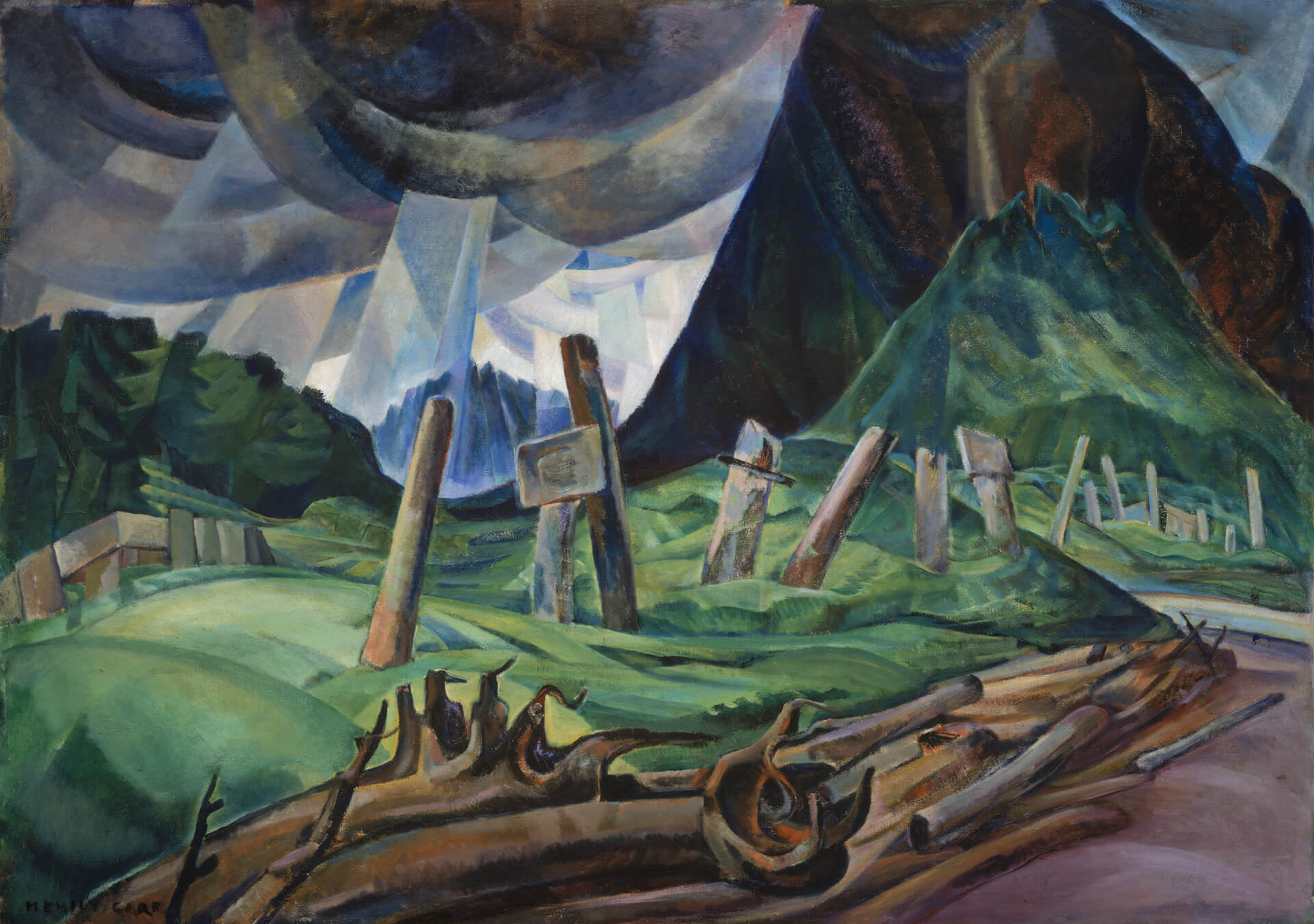
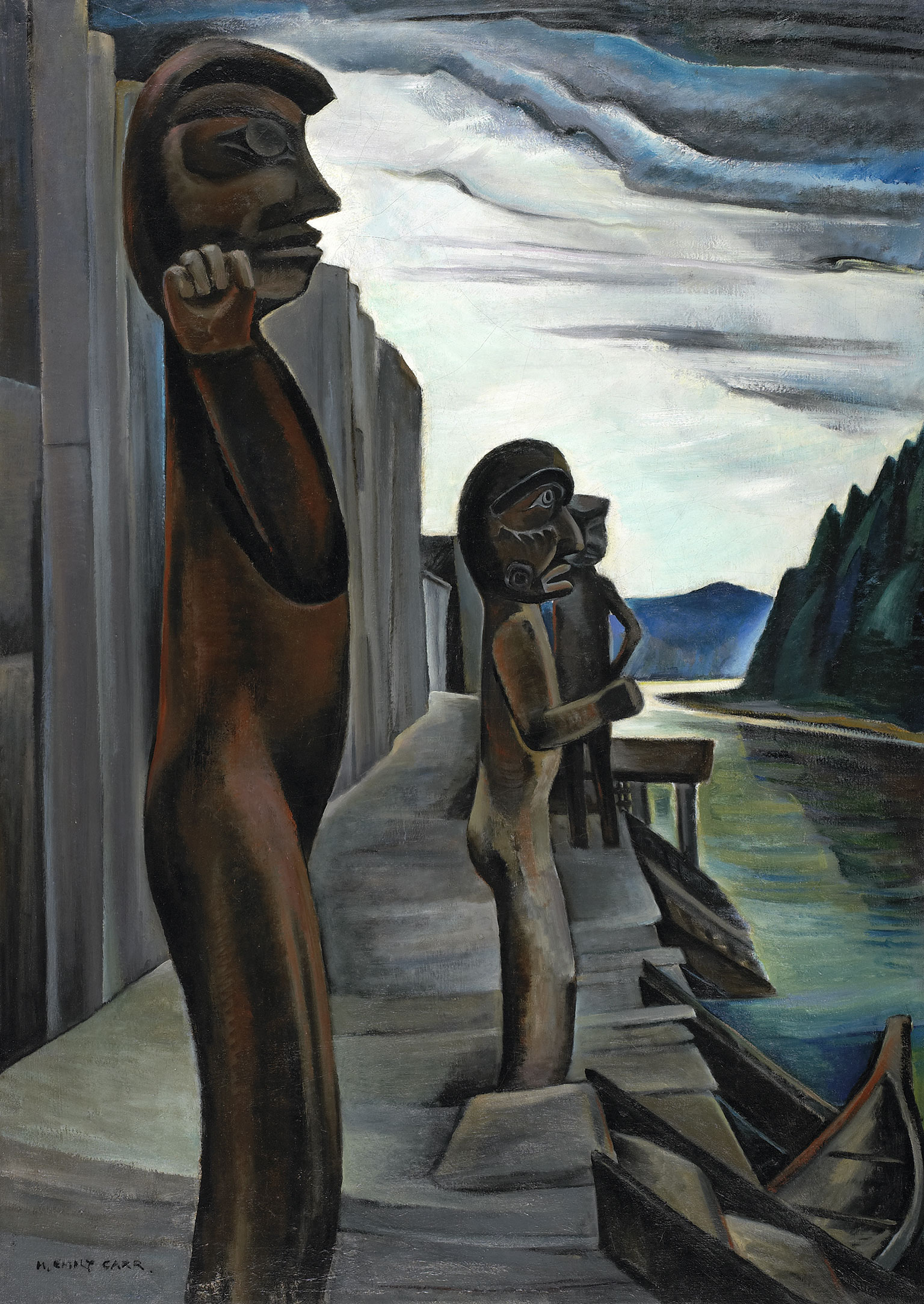
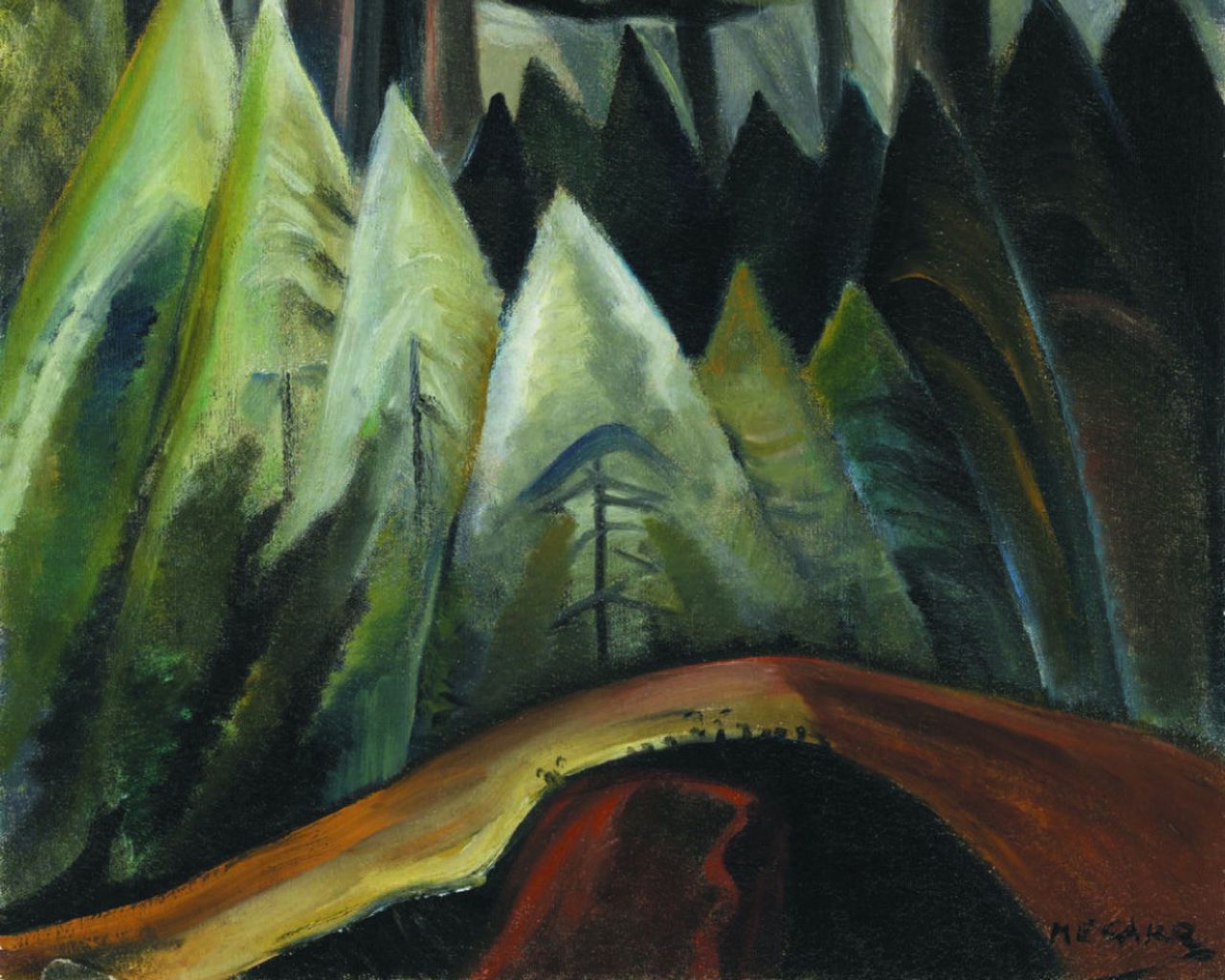
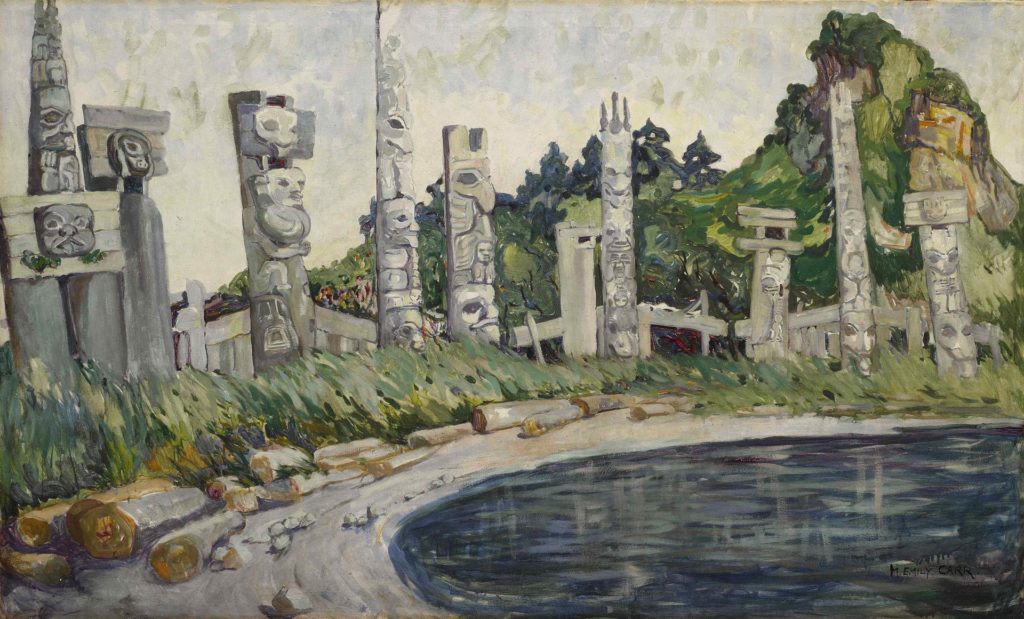
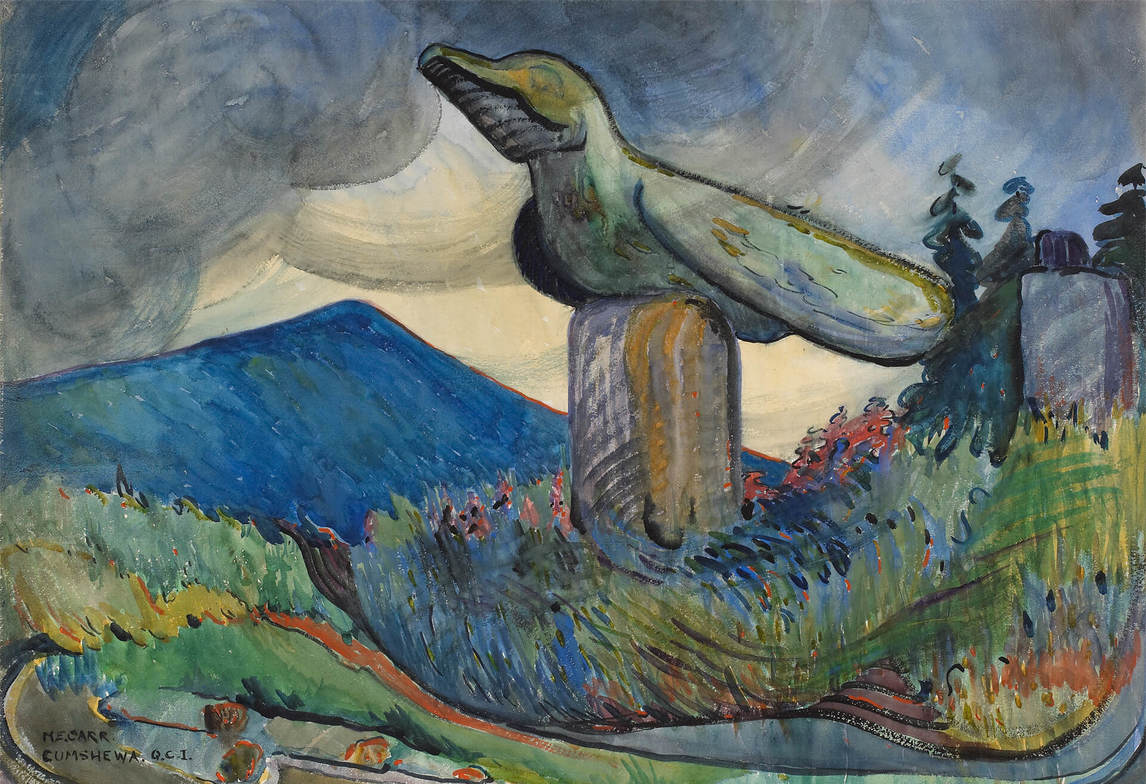
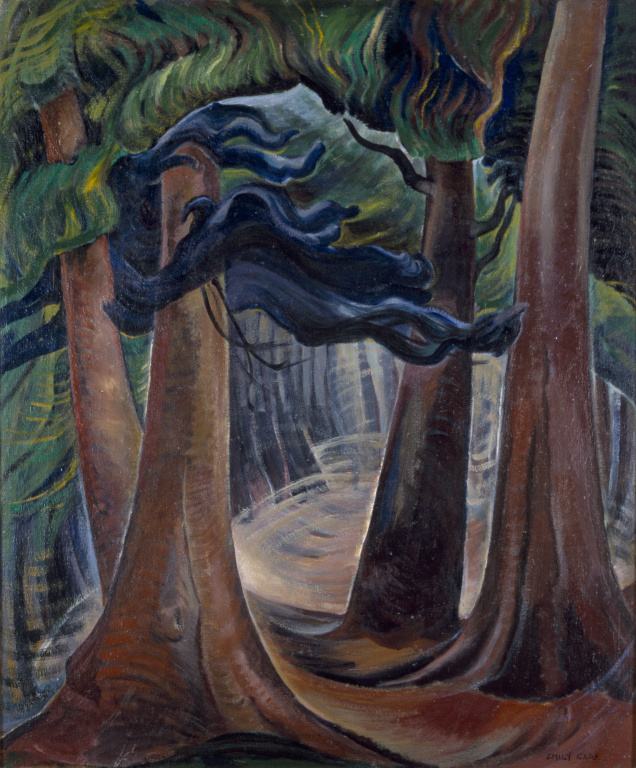
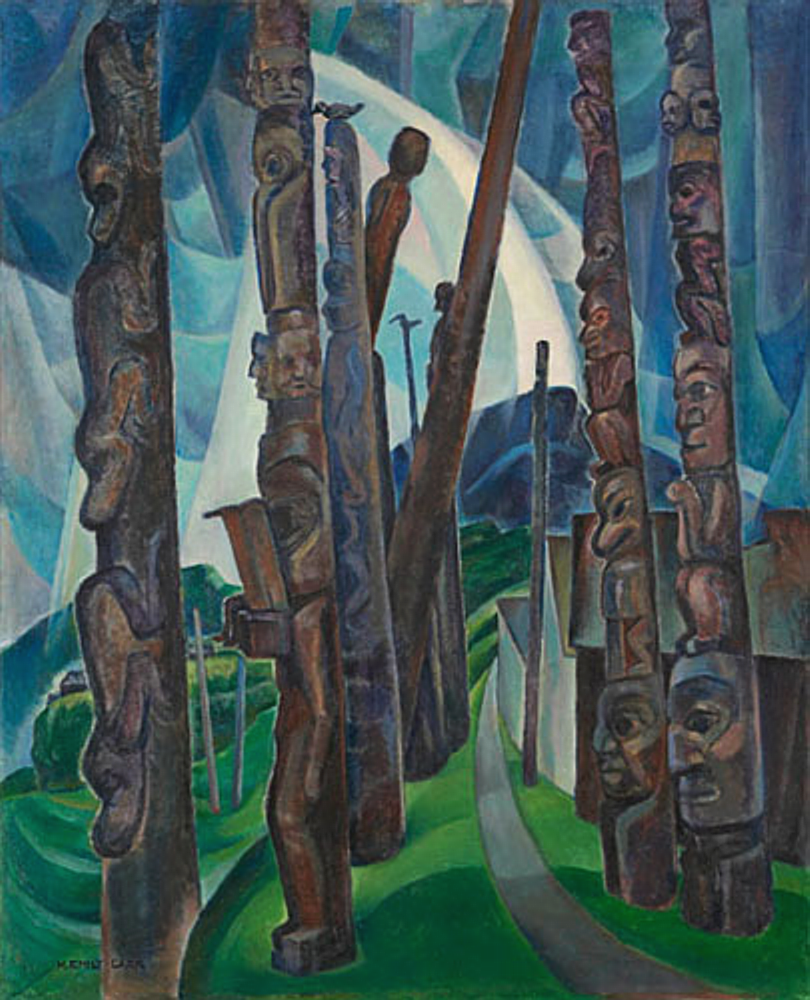
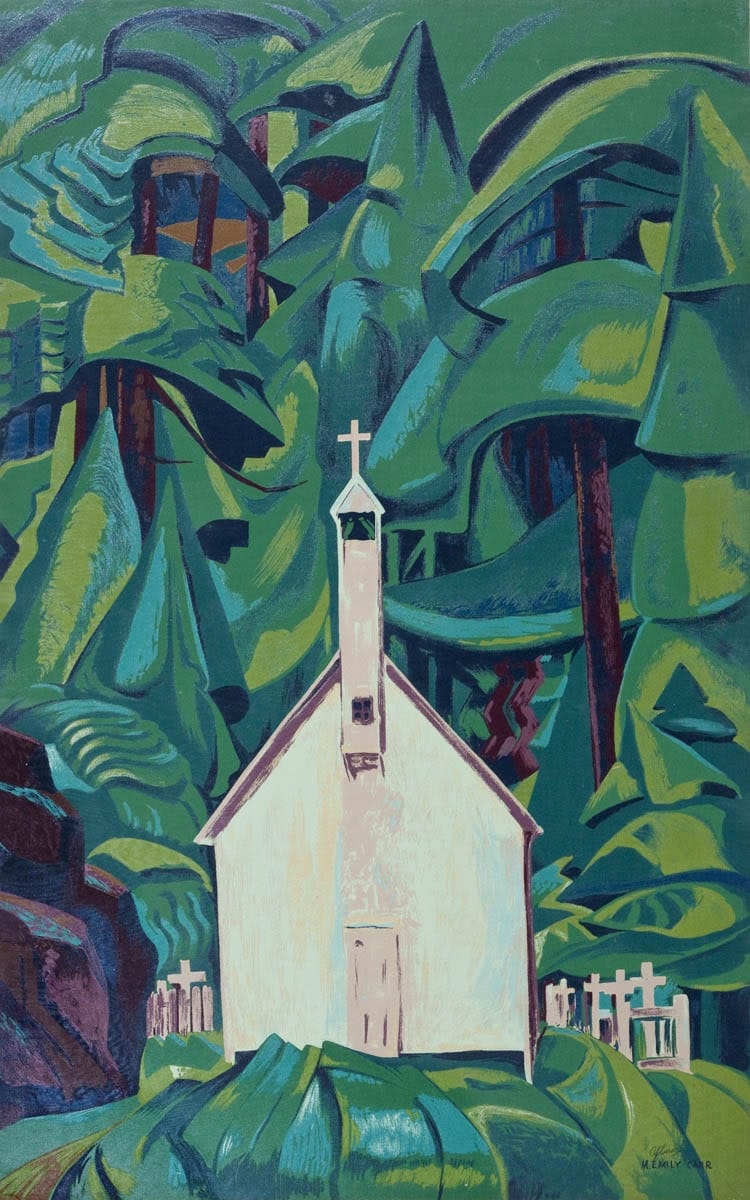
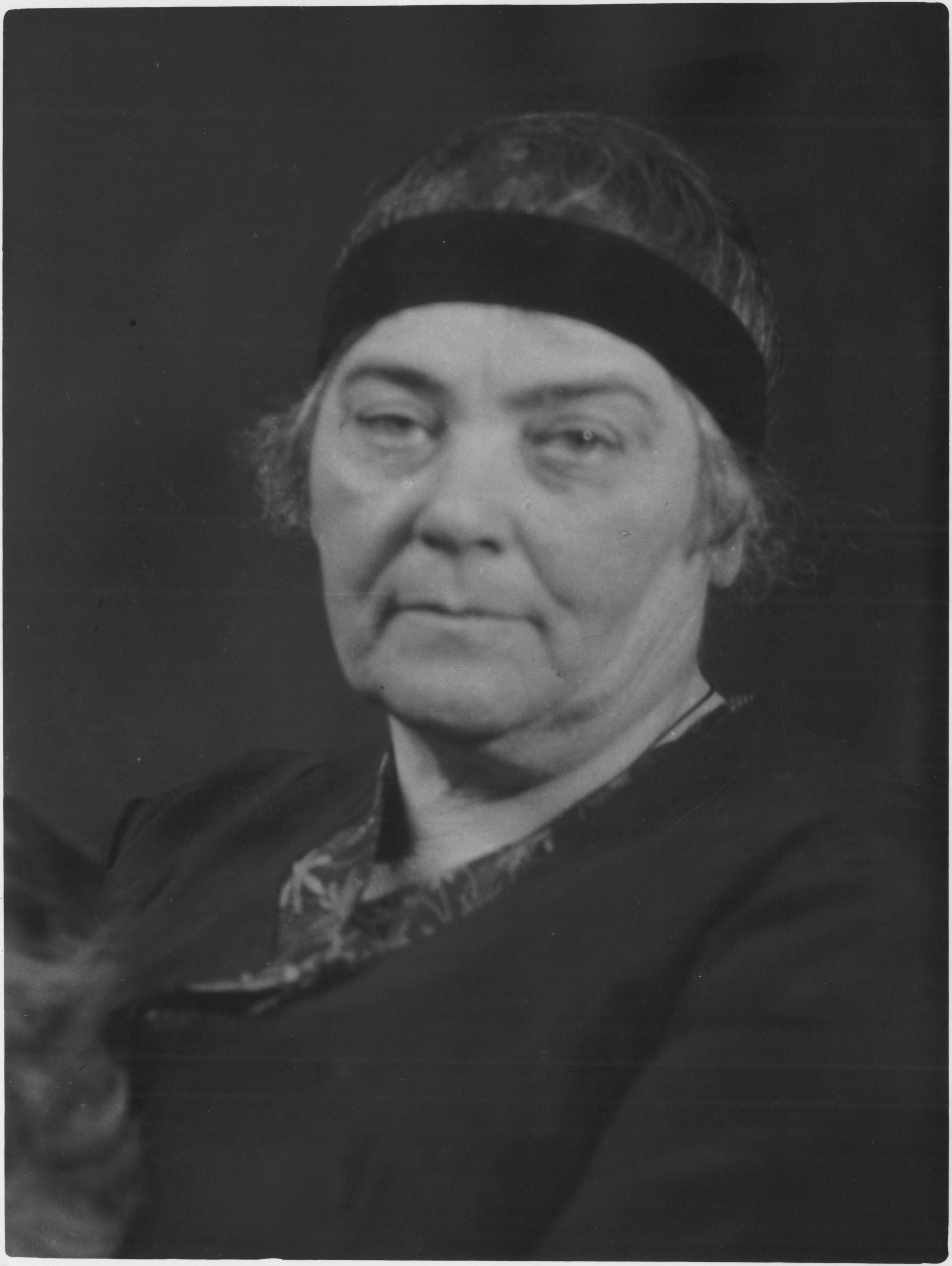 Emily Carr was a Canadian artist and writer known for her paintings of the Pacific Northwest region of North America, including the indigenous cultures and landscapes of British Columbia. She was born in Victoria, British Columbia, in 1871 and grew up in a time when Canadian art was largely focused on European traditions. Despite this, Carr was drawn to the indigenous cultures of the Pacific Northwest and spent much of her career painting the forests, villages, and totem poles of the region. She was a member of the "Group of Seven," a group of Canadian artists who sought to create a distinct national style of art. Carr's work is known for its bold use of color and form, and her style is often described as modernist.
Emily Carr's early years in Victoria, British Columbia, were marked by a love of nature and a fascination with the indigenous cultures of the Pacific Northwest. She was born in Victoria in 1871 and grew up in a household that valued education and the arts. From a young age, she showed an interest in drawing and painting, and she was encouraged to pursue these interests by her family.
Victoria in the late 19th century was a small and isolated town, and there were limited opportunities for artists. Nevertheless, Carr was determined to pursue her passion for art and took advantage of every opportunity to learn and grow as an artist. She was particularly drawn to the indigenous cultures of the Pacific Northwest and spent much of her time exploring the forests, villages, and totem poles of the region.
Carr was drawn to art and was known for her love of drawing and painting. However, she faced many challenges in pursuing her passion, including the lack of support for artists in her community and the limited opportunities for women in the arts.
Despite these obstacles, Carr persisted in her artistic pursuits and eventually left home to study art in England. Emily Carr studied art in England. She studied at the Westminster School of Art in London, and later at the British Academy of Art. While studying in England, she was exposed to a wider range of styles and techniques, and she was particularly influenced by the works of the Post-Impressionists and the Fauvists. These experiences had a profound impact on her artistic development and helped her to create her own unique style. After her studies in England, Carr returned to Canada and continued to develop her skills as an artist, drawing inspiration from the natural landscapes and indigenous cultures of the Pacific Northwest.
Emily Carr was not a member of the "Group of Seven," but her work was influenced by the ideals and styles of the group. The Group of Seven was a group of Canadian artists who sought to create a distinct national style of art, separate from the European traditions that dominated Canadian art at the time. The group was formed in 1920 and included artists such as Tom Thomson, Lawren Harris, and A.Y. Jackson, among others.
Emily Carr's work was similar to that of the Group of Seven in that both sought to capture the beauty and spirit of the Canadian landscape. However, Carr's focus was on the Pacific Northwest region of British Columbia, while the Group of Seven was primarily focused on the forests and lakes of central and northern Ontario. Despite this difference, Carr was influenced by the Group of Seven's modernist approach to landscape painting and their bold use of color and form.
In some ways, Carr's work can be seen as a response to the Group of Seven's focus on the Canadian landscape, as she sought to bring attention to the unique landscapes and indigenous cultures of the Pacific Northwest. Her work was innovative and ahead of its time, and it helped to lay the foundation for a new approach to Canadian art that celebrated the country's natural beauty and cultural heritage.
Emily Carr was attracted to the landscape and indigenous people of British Columbia for several reasons. Firstly, she was drawn to the natural beauty of the Pacific Northwest region, including its dense forests, rugged coastline, and towering mountain ranges. She was particularly inspired by the unique ecosystems and diverse wildlife of the region, and she sought to capture the essence of this landscape in her paintings.
Secondly, Carr was fascinated by the indigenous cultures of the Pacific Northwest, including the First Nations people of British Columbia. She was intrigued by the rich cultural heritage of these communities, including their totem poles, longhouses, and traditional clothing, and she spent much of her time studying and documenting their way of life. Carr saw these cultures as a valuable part of Canada's heritage and was determined to bring attention to them through her art.
Finally, Carr was motivated by a desire to create a new and distinct style of Canadian art that celebrated the country's natural beauty and cultural heritage. She saw the landscapes and indigenous cultures of the Pacific Northwest as a source of inspiration and sought to create works that were innovative and ahead of their time.
_Odds_and_Ends.jpg)
Tel: 1 604 833-9488
Email: info@canadahistorysociety.ca

All content and images are protected by copyright to Access History