
History-Museums
Touch the Past

Visit BC History
Museums & Attractions

Your Heritage
Explore the Museums & Attractions
Touch the Past
Museums & Attractions
Explore the Museums & Attractions
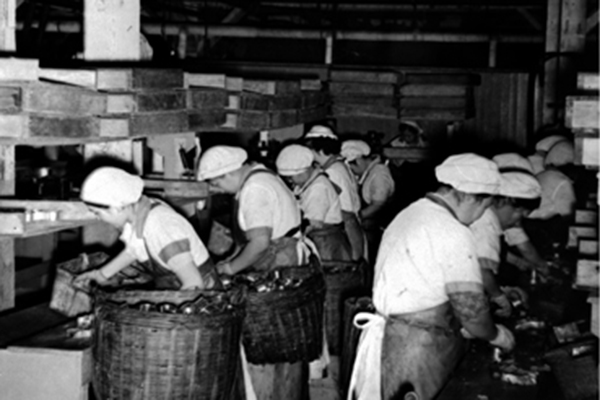
The North Pacific Cannery National Historic Site is located in Port Edward, British Columbia, Canada, near Prince Rupert. It is a preserved cannery that operated from 1889 to 1968 and played a significant role in the commercial fishing industry of the North Pacific region. Today, it stands as a museum and a testament to the history of the fishing industry in British Columbia.
The North Pacific Cannery was established during the height of the salmon canning industry in British Columbia. It was strategically located on the banks of the Skeena River, which served as a major salmon fishing and transportation route. The cannery processed and canned various species of salmon, including sockeye, pink, and coho.
The site consists of a collection of historic buildings, including the cannery itself, worker housing, a machine shop, a net loft, and a general store. These structures provide visitors with a glimpse into the daily operations and living conditions of the workers during the cannery's heyday. The buildings are well-preserved and showcase the industrial architecture of the time.
Visitors to the North Pacific Cannery National Historic Site can take guided tours to explore the various buildings and learn about the history of the cannery. Knowledgeable guides share stories about the fishing industry, the working conditions, and the cultural significance of cannery life. The exhibits within the site display artifacts, photographs, and interactive displays that depict the processes involved in salmon canning and the cultural heritage of the workers.
One of the highlights of the site is the restored cannery line, which demonstrates the step-by-step process of canning salmon. Visitors can see the machinery, tools, and equipment used in the production, as well as gain insight into the labor-intensive nature of the industry.
The North Pacific Cannery National Historic Site is not only a museum but also a place for community events, workshops, and educational programs. It serves as a hub for cultural and historical activities related to the fishing industry, including salmon festivals and workshops on traditional fishing techniques.
The site's designation as a National Historic Site recognizes its significance in preserving the heritage of the North Pacific fishing industry and the social and economic contributions it made to the region. It offers visitors a chance to step back in time, understand the challenges faced by cannery workers, and appreciate the cultural heritage associated with the fishing industry in British Columbia.
The North Pacific Cannery National Historic Site is preserved and managed by Parks Canada, an agency of the Canadian government responsible for protecting and presenting nationally significant natural and cultural heritage sites.
The historic importance of the North Pacific Cannery lies in its representation of the salmon canning industry that played a vital role in the development of British Columbia's economy and the livelihood of many coastal communities. During the late 19th and early 20th centuries, canneries like North Pacific Cannery were major economic hubs, attracting a diverse workforce and shaping the social fabric of the region.
The cannery's location on the Skeena River allowed for easy access to abundant salmon runs, providing an ideal location for large-scale fish processing. It was a significant employer, attracting workers from diverse backgrounds, including Indigenous peoples, European settlers, and Chinese immigrants. The cannery operated as a self-contained community, with its own housing, schools, hospital, and other amenities for workers and their families.
The North Pacific Cannery was not only an important economic institution but also a cultural melting pot. It brought together different cultural groups, creating a dynamic community where traditions, languages, and practices intermingled. It serves as a symbol of the multiculturalism that shaped the fishing industry and the region as a whole.
The cannery's closure in 1968 marked the decline of the salmon canning industry in British Columbia, reflecting changes in fishing practices, technology, and market dynamics. The preservation of the North Pacific Cannery as a National Historic Site ensures that the history, stories, and contributions of the cannery workers are recognized and celebrated.
By preserving the North Pacific Cannery, Parks Canada aims to educate visitors about the significance of the fishing industry, the challenges faced by workers, and the cultural heritage associated with salmon canning. It provides a tangible connection to the past, allowing visitors to gain insights into the industrial processes, working conditions, and cultural diversity that defined the cannery era.
Overall, the North Pacific Cannery National Historic Site stands as a testament to the economic, social, and cultural history of British Columbia's fishing industry. It serves as a reminder of the importance of preserving and understanding our shared heritage and the contributions of those who shaped the region's development.

Museum Details
British Columbiahistory.com is a visitor supported web site. Thank you for your feedback - it is appreciated.
Reference: Article by (Staff Historian), 2023
Tel: 1 604 833-9488
Email: info@canadahistorysociety.ca

All content and images are protected by copyright to Access History